
Nourishing your nervous system: Herbal Allies & Supportive supplements
June 27, 2024
While there are many things we can do externally with our environment and habits to help self-regulate and let our nervous system feel safe, there are also many things we can do internally; from a chemical and energetic perspective with herbal remedies and supplements that can support the nervous system health journey from the inside as a counterpart to the other work you are doing.
Nourishing the nervous system is an essential part of maintaining our health in today’s overstimulated world and can make the difference between coping with tough and stressful situations or ending up with burnout or severe autoimmune disorders.
Given its central role in coordinating bodily functions and responding to internal and external stimuli, it always surprises me how little we’re told about caring for our nervous system. And the louder things get the more dialled in that care needs to be.
It’s no wonder stress is the number one cause of illness in the world today!
The nervous system, composed of the brain, spinal cord, and a vast network of nerves, functions as the body’s communication highway. Ensuring its optimal performance requires a holistic approach, encompassing both internal and external nourishment. We’ve covered much of the external nourishment from stress management and daily habits to the food you eat in previous posts so here we focus on the internal…
Internal Nourishment
The nervous system, a complex and intricate network of nerves and cells, is responsible for transmitting signals between different parts of the body. It regulates everything from our thoughts and emotions to our physical actions and reflexes.
Internally, as well as a variety of key nutrients and some of the essential basics such as hydration, sleep and regular physical activity — all of which support the nervous system by maintaining homeostasis, facilitating efficient energy production, and ensuring the repair and regeneration of neural tissues and biochemical processes the nervous system relies to function correctly — there are a number of factors that can influence and affect your body and nervous systems ability to function that mean it needs a little more help to return to homeostasis and normal function.
This is where herbal remedies can help.
Herbal Allies & Supplements to Nourish & Support the Nervous System
Herbal remedies have been used to support and nourish the body and heal long before Western medicine. With their gentle actions and natural affinity with our body’s tissues, they are often the most effective way to treat and support our bodies’ natural healing abilities (and without all the nasty side effects).
These are some of the most effective herbal remedies and supplements I’ve found to benefit nervous system health & facilitate repair and healing. Each of these herbs brings unique benefits, whether through stress reduction, anxiety relief, or general nervous system nourishment…
1. Ashwagandha (Withania somnifera)
Ashwagandha, an adaptogenic herb used in Ayurvedic medicine, is known for its ability to help the body adapt to stress. It can reduce anxiety, improve mood, and enhance cognitive function. Studies have shown that ashwagandha can lower cortisol levels, which are often elevated during periods of stress.
How to Use:
- Supplement Form: Ashwagandha is available in capsules, powders, and tinctures.
- Dosage: Typically, 300-600 mg per day is recommended, but it’s best to consult a healthcare provider for personalized advice.
2. Valerian Root (Valeriana officinalis)
Valerian root is a popular herbal remedy for anxiety and sleep disorders. It has a calming effect on the nervous system and can help improve the quality of sleep, which is crucial for overall nervous system health.
How to Use:
- Supplement Form: Valerian root is available in capsules, teas, and tinctures.
- Dosage: For sleep, 400-900 mg taken 30 minutes to two hours before bedtime is common. For anxiety, smaller doses throughout the day may be effective.
3. Lemon Balm (Melissa officinalis)
Lemon balm is a soothing herb known for its ability to reduce stress and anxiety. It can also improve cognitive function and mood. Lemon balm works by increasing the availability of the neurotransmitter GABA, which has a calming effect on the brain.
How to Use:
- Supplement Form: Available in teas, capsules, and tinctures.
- Dosage: 300-600 mg per day, often taken in divided doses.
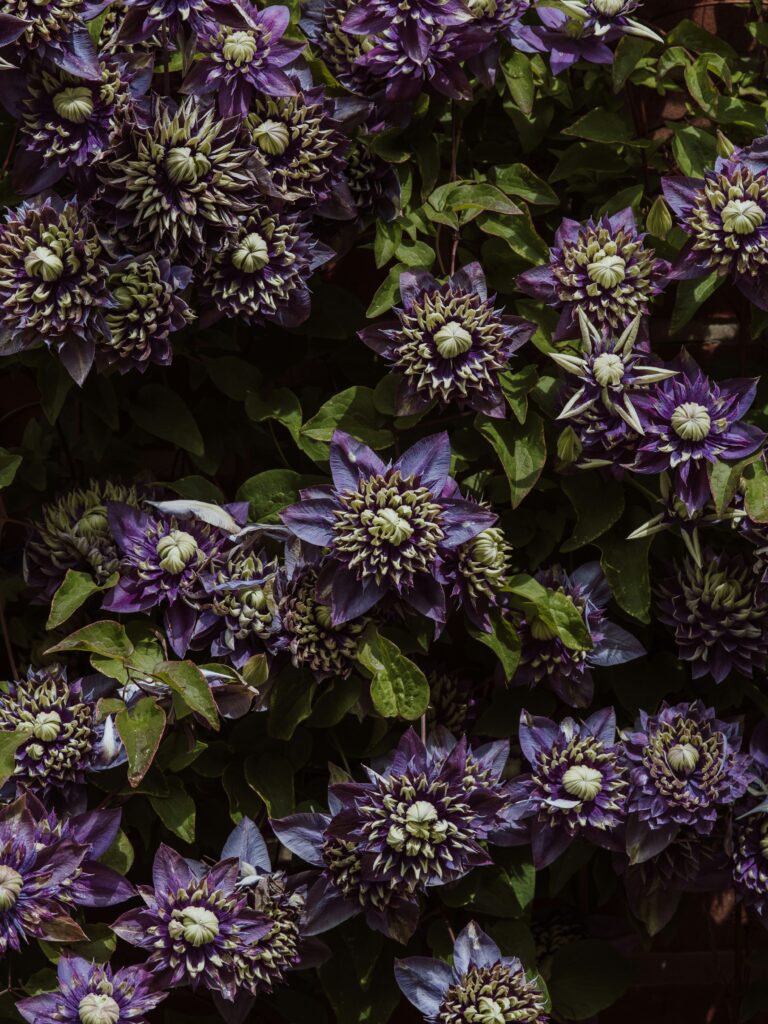
4. Passionflower (Passiflora incarnata)
Passionflower is another herb known for its calming properties. It is used to treat anxiety, insomnia, and nervous restlessness. Passionflower increases GABA levels in the brain, promoting relaxation and reducing stress.
How to Use:
- Supplement Form: Available in capsules, tinctures, and teas.
- Dosage: 200-400 mg per day, divided into several doses.
5. Bacopa Monnieri
Bacopa Monnieri is an herb used in traditional Ayurvedic medicine to enhance cognitive function and reduce anxiety. It is known to improve memory, learning, and concentration by enhancing communication between neurons.
How to Use:
- Supplement Form: Available in capsules and powders.
- Dosage: 300-450 mg per day, standardized to 50% bacosides.
6. Nettle (Urtica dioica)
Nettle, often considered a nutrient powerhouse, is rich in vitamins and minerals, including magnesium and iron, which are essential for nervous system health. Nettle is known for its nourishing properties and can help alleviate symptoms of stress and fatigue, supporting overall vitality and nervous system function.
How to Use:
- Supplement Form: Nettle is available as dried leaves for tea, capsules, and tinctures.
- Dosage: For tea, use 1-2 teaspoons of dried leaves per cup of hot water, steeped for 10 minutes, taken up to three times daily. In capsule form, 300-500 mg per day is commonly used.
7. Elderflower (Sambucus nigra)
Elderflower, known for its pleasant taste and aroma, is traditionally used for its calming effects on the nervous system. It can help relieve anxiety and stress and is often used in teas and tinctures. Elderflower also has mild sedative properties, making it beneficial for promoting restful sleep.
How to Use:
- Supplement Form: Available as dried flowers for tea, tinctures, and syrups.
- Dosage: For tea, use 1 tablespoon of dried flowers per cup of hot water, steeped for 10-15 minutes, up to three times daily. For tinctures, 2-4 ml taken up to three times daily is standard.
8. Oat (Avena sativa)
Oat, particularly in the form of oat straw (the green stems of the plant), is a highly regarded nervine herb, meaning it specifically supports the nervous system. Oat straw is rich in minerals like magnesium and calcium, which help to soothe and strengthen the nerves. It is particularly beneficial for conditions like anxiety, nervous exhaustion, and insomnia.
How to Use:
- Supplement Form: Available as oat straw tea, capsules, and tinctures.
- Dosage: For tea, use 1 tablespoon of dried oat straw per cup of boiling water, steep for 15-20 minutes, and drink 1-3 cups daily. Capsules typically contain 300-500 mg, taken 1-2 times daily.
9. Rhodiola Rosea
Rhodiola Rosea, an adaptogenic herb native to cold regions, helps the body adapt to stress by balancing cortisol levels and supporting mental and physical stamina. It is well-known for enhancing cognitive function, reducing fatigue, and improving overall resilience to stress.
How to Use:
- Supplement Form: Available in capsules, tablets, and tinctures.
- Dosage: A typical dose is 200-600 mg per day, standardized to contain 2-3% rosavins and 0.8-1% salidroside, the active compounds in Rhodiola.
10. Mugwort (Artemisia vulgaris)
Mugwort has a long history of use in traditional medicine for its calming and sedative properties. It can help reduce anxiety and promote vivid dreams, making it useful for enhancing sleep quality. Additionally, mugwort has been used for its mild anti-inflammatory properties, which can indirectly benefit the nervous system by reducing stress-related inflammation.
How to Use:
- Supplement Form: Available as dried leaves for tea, tinctures, and essential oils.
- Dosage: For tea, use 1-2 teaspoons of dried leaves per cup of boiling water, steep for 10-15 minutes, and consume up to three times daily. For tinctures, 2-4 ml taken up to three times daily is common.
Combining Herbal Remedies for Nervous System Support
Herbal remedies can be combined to enhance their effects on the nervous system. Here are some combinations and considerations:
- Calming Blends: Combine herbs like valerian root, lemon balm, and passionflower to create a calming tea blend that can help reduce anxiety and promote restful sleep.
- Adaptogenic Mix: Ashwagandha and Rhodiola Rosea can be combined to enhance the body’s resilience to stress and improve overall stamina and mental clarity.
- Nourishing Infusions: Nettle, oat straw, and elderflower can be blended to create a nourishing infusion rich in minerals and vitamins that support nervous system health.
Practical Tips for Using Herbal Remedies
- Personalisation: Not all herbs work the same way for everyone. It may take some experimentation to find the right combination and dosage that works best for you.
- Quality Matters: Choose high-quality, organic herbs and supplements whenever possible to ensure the potency and purity of the products.
- Monitor and Adjust: Pay attention to how your body responds to each herb, and adjust dosages or combinations as needed.
Supplements for Nervous System Support
In addition to herbal allies, certain nutritional and botanical supplements play a significant role in maintaining and enhancing nervous system health. These supplements provide essential nutrients and compounds that support neurotransmitter function, protect against oxidative stress, and promote overall brain health.
1. Omega-3 Fatty Acids
Omega-3 fatty acids, particularly EPA and DHA, are essential for brain health. They play a crucial role in maintaining the structure and function of brain cells and can reduce inflammation, which is often linked to neurodegenerative diseases.
Sources:
- Dietary: Fatty fish (salmon, mackerel, sardines), flaxseeds, chia seeds, walnuts.
- Supplement Form: Fish oil capsules, algae oil for vegetarians and vegans.
- Dosage: 250-500 mg per day of combined EPA and DHA.
2. Magnesium
Magnesium is an essential mineral involved in over 300 biochemical reactions in the body, including nerve function. It helps regulate neurotransmitters and can reduce symptoms of anxiety and depression.
Sources:
- Dietary: Leafy green vegetables, nuts, seeds, whole grains, legumes.
- Supplement Form: Magnesium citrate, magnesium glycinate, magnesium oxide.
- Dosage: 200-400 mg per day.
3. B Vitamins
B vitamins, particularly B6, B9 (folic acid), and B12, are vital for maintaining nervous system health. They play a crucial role in producing neurotransmitters and maintaining myelin, the protective sheath around nerves.
Sources:
- Dietary: Meat, eggs, dairy products, leafy greens, legumes, nuts, and seeds.
- Supplement Form: B-complex vitamins, individual B vitamin supplements.
- Dosage: Varies by specific B vitamin, but a B-complex supplement typically covers daily needs.
4. Vitamin D
Vitamin D is essential for overall brain health and function. It supports the production of neurotrophins, which promote the growth and survival of neurons. Vitamin D deficiency is linked to various mental health issues, including depression and cognitive decline.
Sources:
- Dietary: Fatty fish, fortified dairy products, egg yolks.
- Sun Exposure: Skin produces vitamin D when exposed to sunlight.
- Supplement Form: Vitamin D3 (cholecalciferol).
- Dosage: 600-2000 IU per day, depending on individual needs and sun exposure.
5. Zinc
Zinc is a vital mineral involved in numerous aspects of cellular metabolism and is crucial for the proper functioning of the nervous system. It plays a key role in neurotransmitter regulation, brain development, and immune function. Zinc deficiency can lead to impaired cognitive function, mood disturbances, and increased susceptibility to stress.
Benefits:
- Neurotransmitter Support: Zinc modulates synaptic activity and is involved in the regulation of dopamine and serotonin, neurotransmitters crucial for mood and cognition.
- Antioxidant Properties: It has antioxidant properties that protect neurons from oxidative stress and inflammation.
- Immune System Support: Zinc is essential for immune function, indirectly supporting nervous system health by reducing inflammation and infection risk.
Sources:
- Dietary: Oysters, red meat, poultry, beans, nuts, whole grains, dairy products.
- Supplement Form: Zinc is available as zinc gluconate, zinc citrate, zinc picolinate, and zinc sulfate.
Dosage:
- Recommended daily allowance (RDA) for zinc is about 11 mg for adult men and 8 mg for adult women. For supplementation, a common dose is 15-30 mg per day. It’s essential not to exceed 40 mg per day unless advised by a healthcare professional, as excessive zinc intake can interfere with copper absorption and cause other health issues.
6. Iron
Iron is an essential mineral that is crucial for the production of haemoglobin and myoglobin, proteins that carry oxygen in the blood and muscles. It also plays a critical role in energy production and neurotransmitter synthesis, making it vital for maintaining healthy brain and nervous system function. Iron deficiency, commonly known as anaemia, can lead to symptoms like fatigue, cognitive impairments, and mood disturbances.
Benefits:
- Oxygen Transport: Iron is essential for the production of haemoglobin, which transports oxygen to the brain and nervous system tissues.
- Cognitive Function: Adequate iron levels are associated with improved attention, learning, and memory.
- Neurotransmitter Synthesis: Iron is a cofactor in the synthesis of neurotransmitters such as dopamine and serotonin, which are crucial for mood regulation.
Sources:
- Dietary: Red meat, poultry, seafood, beans, spinach, fortified cereals, lentils.
- Supplement Form: Iron supplements are available as ferrous sulfate, ferrous gluconate, and ferrous fumarate. ( I recommend gluconate as it’s the most stomach friendly version and in most people negates any of the side effects that can come with taking iron!)
Dosage:
- The RDA for iron varies by age, sex, and life stage but generally is 8 mg per day for men and 18 mg per day for women of childbearing age. Iron supplementation is often around 14-18 mg per day, but higher doses may be recommended for those with diagnosed iron deficiency. It’s crucial to take iron supplements under medical supervision, as excessive iron intake can lead to toxicity.
7. Cannabidiol (CBD)
CBD, a non-psychoactive compound found in the cannabis plant, has gained popularity for its potential therapeutic effects on the nervous system. Unlike THC, another cannabinoid, CBD does not produce a “high.” It interacts with the endocannabinoid system, which plays a role in regulating various physiological processes, including mood, pain sensation, and stress response.
Benefits:
- Anxiety and Stress Reduction: CBD has been shown to reduce symptoms of anxiety and stress, likely through its interaction with serotonin receptors and the modulation of the body’s response to stress.
- Neuroprotection: CBD exhibits antioxidant and anti-inflammatory properties, potentially protecting neurons from damage and supporting overall brain health.
- Pain Management: It can also be beneficial in managing chronic pain, which can indirectly benefit nervous system function by reducing stress and improving quality of life.
Sources:
- CBD Products: CBD oil, capsules, edibles, topical creams, and tinctures.
Dosage:
- The optimal dosage of CBD can vary widely depending on factors like body weight, the severity of symptoms, and individual response. A general starting dose is 5-10 mg per day, which can be gradually increased. For anxiety or chronic pain, doses up to 25-50 mg per day are commonly used. It’s advisable to start with a low dose and gradually increase until the desired effects are achieved.
Combining Supplements for Comprehensive Nervous System Support
When considering the integration of these supplements into your daily regimen, it’s essential to ensure a balanced approach. Combining multiple supplements can provide comprehensive support but should be done with an understanding of potential interactions and the body’s needs. And the knowledge that using supplements does NOT replace a well-balanced and healthy diet!
Tips for Effective Supplementation:
- Consult a Healthcare Provider: Before starting any new supplement, especially CBD, which may interact with other medications, consult with a healthcare professional to ensure safety and appropriate dosing.
- Monitor Your Health: Keep track of any changes in symptoms or new side effects. This can help in adjusting dosages and choosing the right combination of supplements.
- Quality Matters: Choose high-quality supplements from reputable brands to ensure purity and potency.
- Consider Timing and Interactions: Some supplements, like iron, are better absorbed on an empty stomach but may cause stomach upset, while zinc should not be taken at the same time as iron due to potential absorption interference. CBD can be taken with or without food, but consistency in timing can help maintain stable levels in the body.
Both herbal remedies and supplements can provide support and a holistic, well-rounded approach to maintaining and enhancing nervous system function. However, it’s essential to be thoughtful, considerate and track symptoms, dosages, and side effects (if any). As with an treat each individual is unique — consider YOUR individual health needs, and be aware that what works for one person may not work for you, and simultaneously what is fine for someone else may have the potential to cause an adverse reaction for you.
With that in mind always start with the smallest dosage and test the waters first.
By integrating these natural remedies into your daily routine, along with a balanced diet, mindful lifestyle practices, and stress-reduction techniques, you can promote a healthy and resilient nervous system and enjoy a greater sense of calm, clarity, and overall wellbeing.
xo Emily

...then live in it
The membership where Lifestyle Planning Meets Wellness + Nervous System Support
SEASONal SOUL inner circle
BUILD
YOUR SEASONAL WORLD
Your ongoing space for living in rhythm with the seasons, cycles and energy of now. Seasonal Soul Membership is designed to help you **embody your seasonal rhythm**, rather than simply learn about it.
Be the first to comment