
My Rules for Living A Wildly Grounded Seasonal Life
April 9, 2026
There is a particular kind of wildness that doesn’t shout, doesn’t rush, doesn’t burn itself out trying to prove anything.
It grows quietly, steadily, rooted deep in the body and the earth beneath it.
A wildly grounded life isn’t about escaping structure or responsibility. It’s about choosing a different kind of structure — one that breathes, flexes, and responds. One that honours the seasons within us as much as the seasons around us. One that understands that growth is not linear, productivity is not constant, and nourishment comes in many forms.
These are not rules in the rigid sense. They are more like reminders. Gentle agreements you make with yourself again and again as you move through the year. Ways of living that help you feel alive and anchored at the same time. Ways of returning to what is real, cyclical, and true (but this is playfully written so take with a pinch of salt as in truth there are no ‘rules’)…
This is an invitation into a life that is both soft and strong. Rooted and curious. Practical and magical.
This is how we live wildly grounded.
One: Eat Colourfully and from the Earth
The first rule is to eat colourfully and from the earth, not because it’s trendy or aesthetic, but because your body remembers how to thrive this way.
Seasonal eating is one of the simplest and most intimate ways we can align with the rhythms of nature. When we eat what grows naturally at a certain time of year, we are quite literally feeding ourselves the energy of that season. The sweetness of summer berries, the grounding starches of autumn roots, the gentle bitterness of spring greens, the warming comfort of winter stews — each carries information. Each speaks to the body in a language older than words.
Eating colourfully is about diversity, not perfection. It’s about letting your plate reflect the landscape. It’s about allowing your meals to be vibrant in summer and earthy in winter, lighter when the days are long and more sustaining when the nights draw in. It’s about trusting that your cravings often make sense when you stop overriding them with rules and guilt.
A wildly grounded life doesn’t moralise food. It listens. It notices how different meals land in the body. It pays attention to energy, digestion, mood, and satisfaction. It chooses nourishment over restriction, pleasure over punishment, and connection over control.
And sometimes, it also chooses cake. Because joy is seasonal too.
Make the Most of What Each Season has to Offer
Another rule is to make the most of what each season has to offer, instead of trying to make every season feel the same.
We live in a world that tries to flatten time. Where winter is treated like an inconvenience, rest is seen as laziness, and every month is expected to deliver the same output. A wildly grounded life refuses this narrative.
Each season carries its own medicine.
Spring invites us into emergence, curiosity, and gentle experimentation. It asks us to stretch towards the light without forcing ourselves into full bloom too soon. Summer offers expansion, connection, creativity, and expression, but it also asks us to pace ourselves so we don’t burn out under its brightness. Autumn teaches us discernment, harvest, and letting go. It shows us how to gather what matters and release what no longer fits. Winter calls us inward, into rest, reflection, and restoration, reminding us that stillness is not stagnation, but preparation.
Living seasonally means letting your life shape-shift throughout the year. It means allowing your routines, goals, social energy, and expectations to ebb and flow. It means not asking yourself to be in summer mode in January, or winter mode in July.
When you honour the season you’re in, both externally and internally, life begins to feel less like a battle and more like a conversation.
Chase the Small Joyful Moments
A wildly grounded life also follows the rule of chasing the small, joyful moments, because they are not small at all.
We’ve been taught to chase big milestones, distant goals, and future versions of ourselves. To believe that happiness lives somewhere ahead of us, once we’ve achieved enough or healed enough or become enough.
Seasonal living gently unravels this belief.
Joy, real joy, lives in moments. It lives in the first warm cup of tea on a cold morning. In the way the light changes throughout the day. In the smell of the garden after rain. In bare feet on grass. In laughter that surprises you. In rest that feels earned simply by being alive.
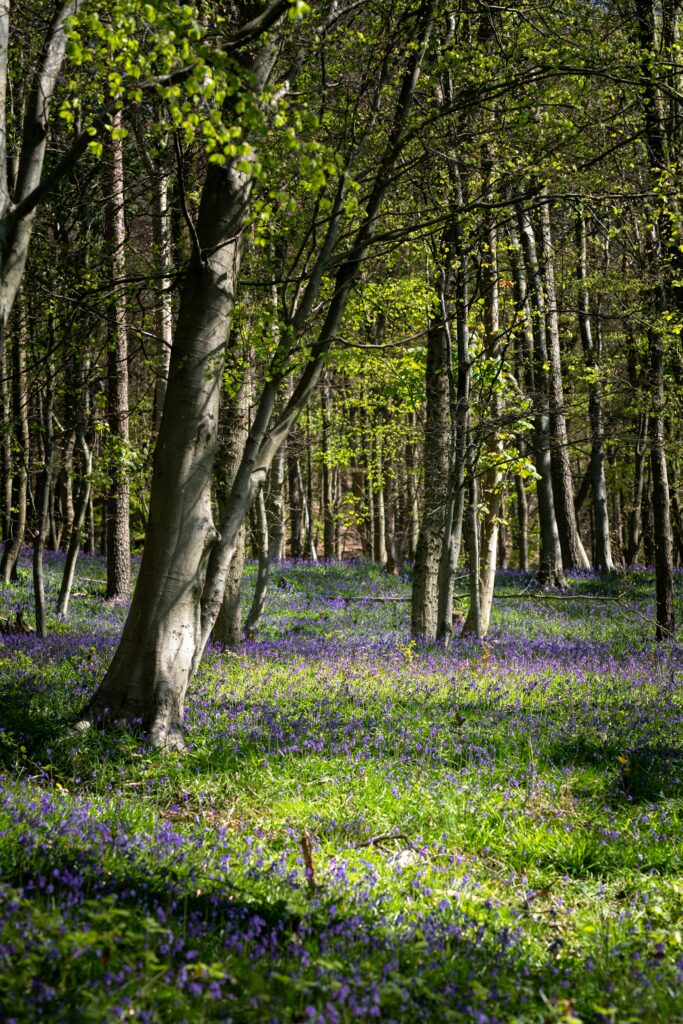
Chasing small joys doesn’t mean ignoring your dreams or avoiding growth. It means understanding that a good life is built from many tiny, meaningful experiences woven together over time. It means allowing pleasure to be present now, not postponed for later.
A wildly grounded life notices these moments. Savours them. Collects them like seeds. Because when the harder seasons come, these are what sustain us.
Listen to Your Body and Intuition
Listening to your body and intuition is another essential rule, and perhaps the most radical one of all.
Your body is not a problem to be fixed. It is not an obstacle to productivity or a machine to be optimised. It is an intelligent, responsive system that is constantly communicating with you.
Seasonal living asks you to listen.
It asks you to notice when you are tired, not push through it. To honour hunger, restlessness, creativity, grief, and desire as valid signals rather than inconveniences. To recognise that your needs will change throughout the month, the year, and your life.
Intuition is not something reserved for the spiritual few. It is a natural capacity that grows stronger the more you trust it. When you live seasonally, intuition becomes easier to hear because you are no longer constantly overriding yourself.
A wildly grounded life is one where decisions are made not only with the mind, but with the body and the heart. Where “this doesn’t feel right” is considered as valuable as logic. Where rest days are taken without guilt, and action is taken when the energy is truly there.
This kind of listening builds trust. And trust is the foundation of a life that feels aligned rather than forced.
Work With Your Energy Not Against it
Another rule is to work with your energy instead of against it.
We are not designed to operate at the same intensity every day. Energy is cyclical, just like nature. There are times for initiating and times for maintaining. Times for visibility and times for quiet focus. Times for planning and times for integration.
A wildly grounded life understands this and plans accordingly.
This might look like structuring your work around your natural rhythms, allowing slower mornings in winter, or building in more spaciousness during emotionally intense periods. It might mean redefining productivity to include rest, reflection, and creative wandering.
When you stop fighting your energy and start collaborating with it, everything changes. Work becomes more sustainable. Creativity flows more naturally. Burnout becomes less inevitable.
You don’t need to do more. You need to do what fits.
Understand Your Circadian Rhythm
Another rule for living a wildly grounded seasonal life is to understand your circadian rhythm — because sleep is king (and queen), and everything else bows to it.
Before productivity, before discipline, before any attempt to “do life well,” there is sleep. Deep, regular, restorative sleep is not a luxury or a reward for a good day. It is the foundation that makes good days possible in the first place.
Your circadian rhythm is your body’s internal clock, guided by light and darkness, by sunrise and sunset, by the quiet cues of the natural world. When you live in relationship with this rhythm — rising with the light when you can, winding down as the evening softens, allowing night to be truly night — your body responds with gratitude. Hormones regulate more smoothly. Energy becomes steadier. Emotions feel more spacious. Resilience quietly increases.
A wildly grounded life treats sleep as sacred. It understands that late nights, constant stimulation, and bright screens after dark come at a cost, even if that cost is delayed. It prioritises winding down over squeezing more out of the day. It creates evenings that signal safety and rest to the nervous system — dim lights, warm drinks, familiar rituals, gentler conversations.
Seasonal living deepens this relationship even further. Winter naturally asks for more rest, earlier nights, slower mornings. Summer may invite later evenings, but still benefits from consistency and care. Listening to your circadian rhythm is another way of listening to your intuition, another way of trusting that the body knows what it’s doing.
When sleep is honoured, everything else becomes easier. Food choices feel more intuitive. Movement feels more supportive. Emotional regulation improves. Creativity flows with less effort. Long-term health is quietly protected in ways that no quick fix can replicate.
In a world that glorifies exhaustion, choosing rest is an act of devotion. And in a wildly grounded seasonal life, sleep is not negotiable — it is the crown that holds everything else in place.
Prioritise Playfulness
Playfulness is also a rule, even — and especially — in adult life.
Seasonal living is deeply serious in its wisdom, but it is never meant to be solemn. There is joy in tending the garden, delight in noticing the moon, pleasure in rituals that feel slightly silly but deeply nourishing.
Play is how we stay open. It’s how we remember that life is not just about responsibility and improvement. It’s how we reconnect with curiosity, imagination, and spontaneity.
A wildly grounded life leaves room for whimsy. It dances in the kitchen. It talks to plants. It celebrates small seasonal rituals with disproportionate enthusiasm. It allows for mess, laughter, and moments that serve no purpose other than feeling good.
Play keeps us flexible. It keeps us human.
Honour Endings as Much as Beginnings
Another rule is to honour endings as much as beginnings.
Our culture loves fresh starts, but seasonal living teaches us that endings are just as sacred. Autumn leaves falling. Crops harvested. Days growing shorter. These are not failures. They are completions.
A wildly grounded life allows things to end.
Projects, relationships, identities, habits — not everything is meant to last forever. Letting go is not a sign that something went wrong. Often, it’s a sign that something worked exactly as it was meant to.
When you honour endings, you create space for rest and renewal. You allow grief and gratitude to coexist. You trust that what is released will compost into something new, even if you can’t see it yet.
Returning to the Earth
Finally, a wildly grounded seasonal life follows the rule of returning to the earth again and again.
This doesn’t mean you need to live in the countryside or grow all your own food. It means remembering that you are part of nature, not separate from it.
Touch the ground. Notice the weather. Watch the sky. Track the moon. Let yourself be affected by the changing light. These small acts of attention anchor you in reality in a world that often feels abstract and overwhelming.
The earth reminds us of what matters. Of cycles. Of patience. Of resilience. Of beauty that exists without striving.
When you live in relationship with the natural world, you remember how to live in relationship with yourself.
A wildly grounded seasonal life is not about doing everything “right.” It is not aesthetic perfection or spiritual performance. It is lived, imperfect, responsive, and real.
It is a life that honours rhythm over rigidity. Presence over pressure. Nourishment over depletion.
It is a life that grows slowly, like roots underground, until one day you realise how steady you have become.
And that, perhaps, is the wildest thing of all.
xo Emily

...then live in it
The membership where Lifestyle Planning Meets Wellness + Nervous System Support
SEASONal SOUL inner circle
BUILD
YOUR SEASONAL WORLD
Your ongoing space for living in rhythm with the seasons, cycles and energy of now. Seasonal Soul Membership is designed to help you **embody your seasonal rhythm**, rather than simply learn about it.
Be the first to comment